Water Tank Cleaning in Pune: 2026 Prices & How to Choose
Water tank cleaning in Pune costs ₹779 to ₹1,449 in 2026. Compare prices by tank type, see what's included, and learn how to pick the right service.
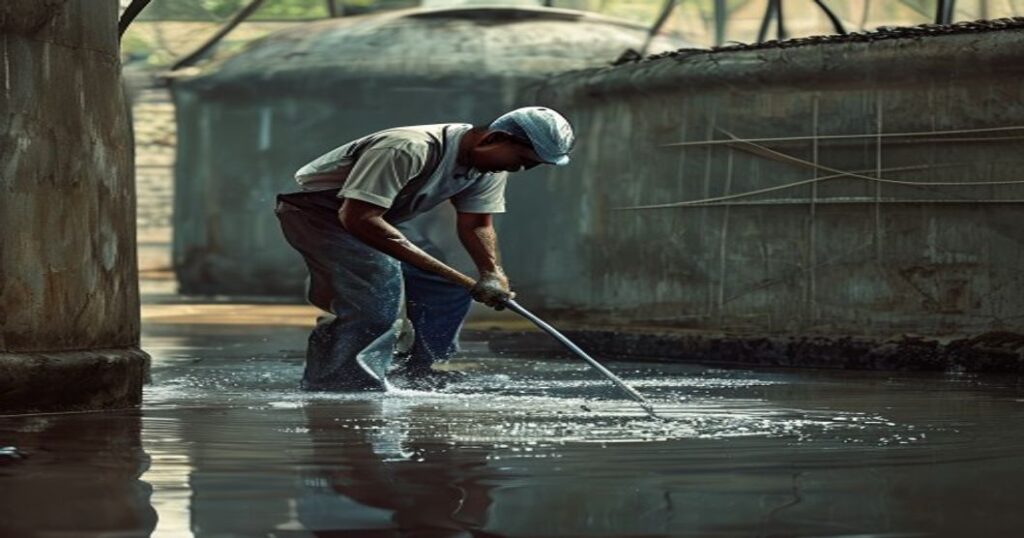
Water tank cleaning in Pune runs ₹779 to ₹1,449 for a standard residential tank in 2026, depending on whether it’s overhead or underground. Most Pune households need this twice yearly, especially before and after monsoon when algae and sludge build up fastest inside tanks left untouched for months.
I’ve spent three years running instantwebsite.in and talking directly with home service operators across Pune, from Baner and Hinjewadi to Kothrud and Lohegaon. Water tank cleaning is one of those services where the difference between a good operator and a bad one stays invisible until six months later, when your family deals with stomach issues and you’re tracing it back to a tank never properly disinfected. This guide cuts through the noise with real prices, what the process should look like, and how to pick a provider who’ll actually do it right.
Water tank cleaning prices in Pune: the actual numbers
Here’s the honest breakdown based on what providers charge in Pune right now. Overhead tank cleaning starts at ₹779 for a basic residential tank (per HomeTriangle’s Pune listings). Underground sump cleaning starts at ₹1,449. Overhead concrete tanks, common in older Kothrud and Shivajinagar buildings, start at ₹1,199.
| Tank Type | Starting Price (2026) | Typical Duration |
|---|---|---|
| Overhead plastic tank | ₹779 | 1 to 2 hours |
| Overhead concrete tank | ₹1,199 | 1 to 2 hours |
| Underground sump | ₹1,449 | 2 to 3 hours |
Larger tanks cost more, period. A tank between 5,000 and 10,000 litres (common in Hinjewadi IT park residences and Wakad housing societies) will push the price up noticeably. TechSquadTeam brackets overhead tanks in Pune by size: under 1,000 litres, 1,000 to 3,000 litres, 3,000 to 5,000 litres, and beyond. If a provider quotes a flat rate regardless of tank size, that’s a red flag.
One thing most price lists skip mentioning: structural repairs, lid replacements, and pipeline cleaning never show up in the base rate. Get that confirmed in writing before the technician arrives, especially for older buildings in Sadashiv Peth or Deccan where tank infrastructure hasn’t been updated in decades.
What a proper cleaning should include, step by step
Most Pune operators advertise a “7-step process.” What that actually means matters. A quick rinse and disinfectant spray isn’t the same as a proper clean. Here’s what legitimate work looks like.
- Inspection. The technician checks the tank’s physical condition before touching anything. Cracks, broken inlet valves, blocked overflow pipes. Any honest operator flags this upfront, not after you’ve paid.
- Drainage. All stored water gets pumped or drained out completely. You don’t need to pre-empty the tank. Reputable services bring their own drainage equipment.
- Sludge and sediment removal. The thick layer of settled mud, algae, and mineral deposits at the tank floor gets manually removed. This step takes time and it’s the one cheap operators skip.
- Scrubbing. Walls, corners, and floor get scrubbed with brushes. Algae sticks to textured concrete surfaces in particular. No manual work inside means corners stay dirty.
- High-pressure jet wash. Shri Ganesh Enterprises, one of Pune’s longer-running operators, uses Kranzle German-made high-pressure machines here. The jet wash dislodges anything scrubbing missed and flushes it out.
- Disinfection. Eco-friendly, non-toxic disinfectants get applied across the entire interior. Safe for humans, pets, and plants when rinsed properly.
- Final rinse and drying. The tank gets rinsed until the rinse water runs clear, then left to dry before refilling. Don’t let any operator refill the tank immediately after disinfection.
That whole process takes one to two hours for an overhead tank. Underground sumps take two to three hours. Anyone promising a 30-minute job is cutting at least two of those steps.
How often do Pune residents actually need this done?
Twice a year is the standard for most Pune households. Before monsoon (April to May) and after it ends (October to November). These timing windows matter specifically in Pune.
During pre-monsoon, tanks sitting through dry summer months accumulate thick mineral deposits and sediment from Pune Municipal Corporation supply lines. Post-monsoon, tanks in areas like Warje, Kondhwa, and Ambegaon that receive PMC water mixed with borewell supply often show greenish algae growth from increased moisture. That’s not just unpleasant. Algae creates conditions where bacteria multiply fast.
Notice a smell, discoloration in tap water, or a slightly slippery feeling on tank walls when you inspect the access hatch? Don’t wait. Book immediately.
Those are signs of active biological growth, not dust.
How to pick the right water tank cleaning service in Pune
Dozens of operators are listed on Sulekha, JustDial, and Quora threads for Pune. Bapus Services Hygiene Pvt Ltd in Kothrud gets mentioned consistently on Quora as reliable. Shri Ganesh Enterprises has 17 years of Pune-specific experience with commercial-grade equipment. But name recognition isn’t everything.
Here’s what actually separates a good booking from a bad one.
- Google reviews with recent dates. Look for reviews from the last six months. A business with 200 reviews from 2022 and nothing recent could have changed staff, quality, or ownership.
- Itemised quote before arrival. Any operator who won’t tell you the price breakdown (tank type, size, add-ons) before sending a technician isn’t worth your time.
- Eco-safe disinfectants. Ask directly. “What disinfectant do you use and is it safe for drinking water systems?” A legitimate operator answers immediately.
- Equipment they bring. High-pressure jet machines matter for underground sumps especially. If they show up with a mop and bucket, send them back.
- Experience with your tank type. Overhead plastic, overhead concrete, and underground sumps need different approaches. A technician who’s only cleaned plastic tanks shouldn’t be your first choice for a concrete sump in a Pune society building.
For housing societies in Hinjewadi, Baner, or Wakad with large shared sumps, check whether the operator has commercial experience. Residential-only operators often underquote, understaff, and overrun on time for tanks above 10,000 litres.
If you’re also dealing with pest activity near water supply lines, combining bookings can save time. Our guide on pest control in Pune covers how to vet those operators too.
Why your tank cleaning provider needs a proper online presence
This matters more than most people realise. A water tank cleaning business with a verified Google Business Profile, real photos, and 50+ reviews is giving you something valuable before they arrive: accountability. They’ve put their reputation on a public record. Fly-by-night operators who take cash and leave don’t do that.
You search “water tank cleaning near me Lohegaon Pune” at 9pm and one result has 4.8 stars with 90 reviews while another is just a name with a phone number. The reviews tell you something real. Businesses that maintain their Google presence tend to care about repeat bookings. The ones who don’t are often one-job operators.
This same principle applies to any home service you book in Pune. Our piece on deep house cleaning in Pune breaks down how to read provider reviews across cleaning categories.
Frequently Asked Questions
How much does it cost to clean out a water tank in Pune?
In Pune, overhead water tank cleaning starts at ₹779 for a standard residential plastic tank. Underground sump cleaning starts at ₹1,449. Final pricing depends on tank size, tank type (plastic vs concrete), and ease of access. Larger tanks in the 5,000 to 10,000 litre range cost more. Always ask for a size-based quote, not a flat rate.
How do you clean a 10,000 litre water tank?
A 10,000 litre tank requires the full seven-step process: shut the inlet valve and disconnect pumps, drain all stored water completely, remove sludge and sediment manually, scrub walls and floor with brushes, run a high-pressure jet wash across all surfaces, apply a food-safe disinfectant, then rinse until water runs clear and let the tank dry before refilling. For a tank this size, budget three to four hours and confirm the operator brings high-pressure equipment, not just manual tools.
What is the best way to clean a water tank at home?
For a small residential overhead tank, turn off the water supply and drain remaining water. Run a garden hose through the inlet to flush loose sediment out through the drain valve until water runs clear. Scrub the interior walls and floor with a long-handled brush. Apply a diluted food-safe disinfectant, let it sit for 30 minutes, then rinse thoroughly before refilling. For underground sumps or tanks above 1,000 litres, a professional service is the safer choice. Manual access risks and the need for high-pressure equipment make DIY impractical.
How often should I clean my water tank in Pune?
Twice a year is the standard for most Pune households. The best timing is April to May (before monsoon) and October to November (after monsoon ends). If you notice smell, discoloration, or visible algae inside the tank, book a cleaning immediately regardless of when the last one was done.
Is water tank cleaning mandatory in Pune?
There’s no PMC bylaw that will fine you for skipping it, but ignoring it has real health consequences. Water supplied through Pune’s distribution network can carry sediment, and tanks left uncleaned for over a year become breeding grounds for bacteria and algae. For housing societies, most registered RWAs now require documented tank cleaning at least once a year.
Are the disinfectants used safe for drinking water?
Reputable operators use non-toxic, eco-friendly disinfectants that are safe for drinking water systems once fully rinsed. Always ask your provider to confirm this before they begin. A final rinse cycle until water runs clear is standard practice and should be non-negotiable in any booking you make.
Getting quotes: what to ask and what to watch for
Call at least two providers before booking. Ask each one the same four questions: What’s the price for my specific tank size and type? What disinfectant do you use? Do you include draining, or do I need to empty it first? What’s not included in the base price?
The answers tell you almost everything. A provider who answers all four confidently and specifically, without vague reassurances, is worth booking. One who deflects on the disinfectant question or won’t name a price without “seeing it first” for a standard overhead tank isn’t.
Same vetting logic applies across home services in Pune. Our guide on finding a plumber in Pune walks through the same question-first approach for water-related repairs.
And if your tank is near the pipeline entry point and you’re dealing with leaks alongside the cleaning, don’t let the same operator handle both unless they’re explicitly qualified for repair work. Tank cleaning and plumbing repairs are different skill sets. Most cleaning operators explicitly exclude structural repairs from their scope.
In closing
Book it twice a year. Pick a provider with real reviews, real equipment, and a clear price list. Don’t let anyone refill your tank before the disinfectant has been properly rinsed out. That’s the whole thing. The businesses that do this right in Pune aren’t hard to find, they just require a few specific questions before you hand over the booking.